
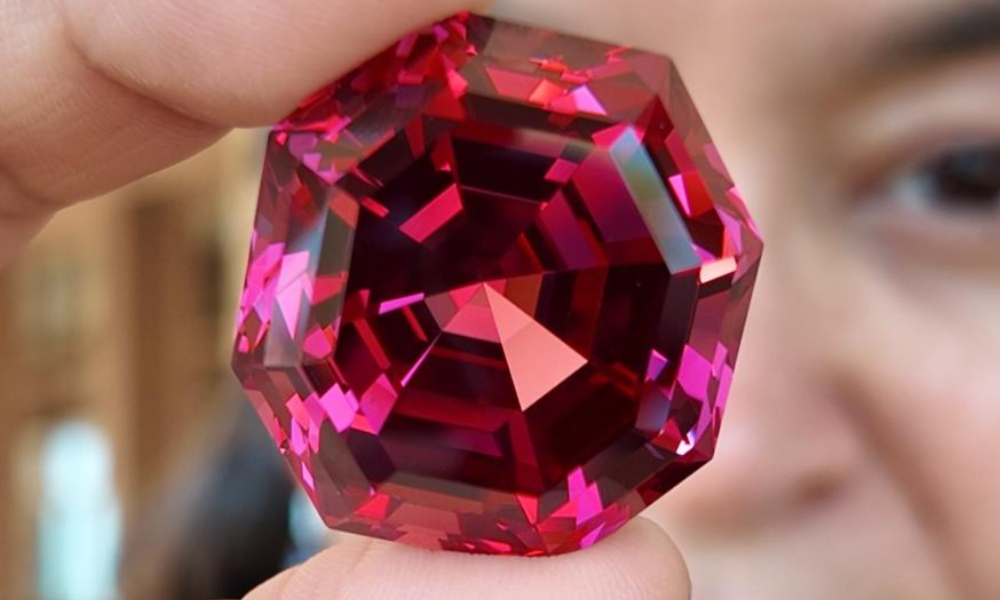
A first-hand account from journalist & author Richa Goyal Sikri’s Tucson show visit, which is nothing short of a sanctuary for gem connoisseurs. She offers snapshots of various shows and how exhibitors are dealing with and navigating tariff issues.
Presenting Tucson through the writer’s lens.
The world’s largest gathering of coloured gem and mineral addicts disguised as gem merchants (!) occurs once a year for a few weeks in February in Tucson, Arizona, in the United States of America. Estimates suggest 47 to 50 gem and mineral shows transform this arid desert city.
Visiting Tucson during this period is a pilgrimage for any gem lover, which is why it had been on my bucket list since I first heard about the show ten years ago.
This year, I was delighted to receive an invitation from the American Gem Traders Association (AGTA) to speak on my recently published book ‘No Stone Unturned: The Hunt For African Gems’ at the AGTA Speaker Series held alongside their gem show. The book is a collection of 24 short adventure stories based on the real-life experiences related to African gemstones. One of the stories highlighted in my presentation featured AGTA and its vital role in 2001-02 in uncovering the undisclosed beryllium diffusion treatment, which changed the colour of Madagascar sapphires into the elusive and highly valuable Padparadscha colour. Because gem labs globally were unable to detect the treatment, millions of dollars’ worth of padparadscha sapphires were fraudulently sold without full treatment disclosure. The then director of the AGTA gem lab, Ken Scarratt, was one of the first to discover the treatment and, with the support of Tom Moses of GIA and the AGTA board, initiated an investigation and alerted the industry of this malpractice.
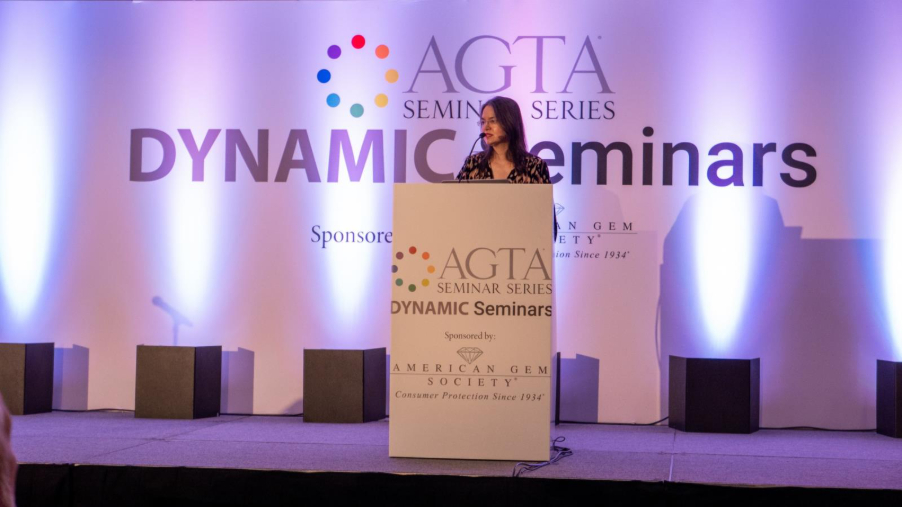
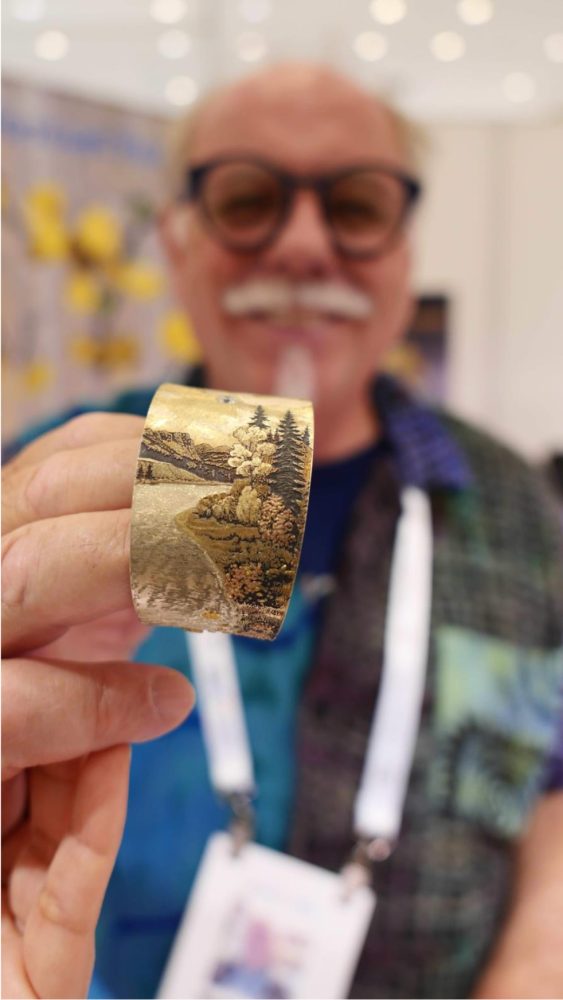
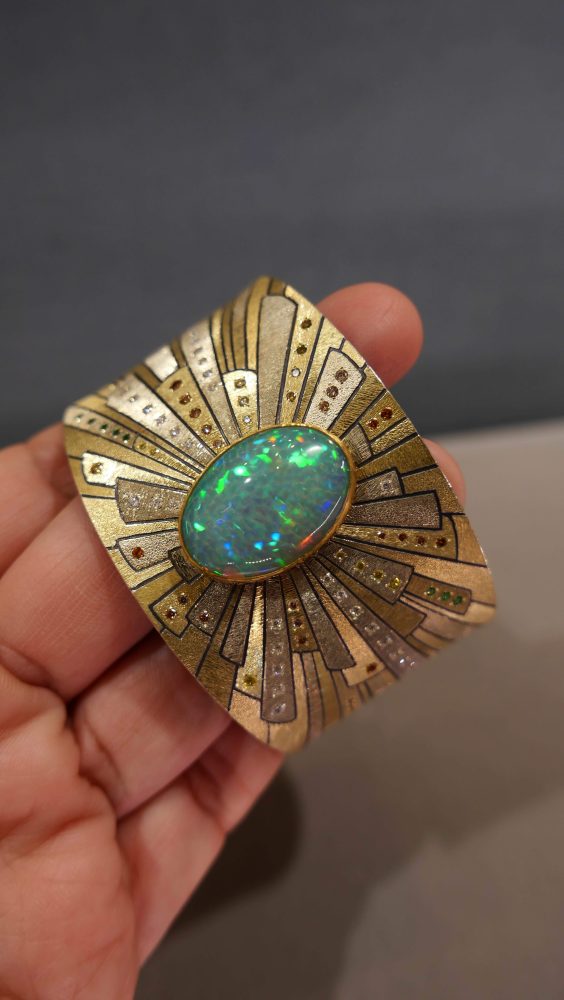
The AGTA show sits at the heart of the Tucson experience. It’s a trade show where only members of the American Gem Traders Association (AGTA) exhibit their collections. While one would see maybe 30% of the exhibitors at the Hong Kong show, it’s a great place to meet companies that don’t participate internationally. The show was split across two areas. A smaller section featuring antique jewellery merchants, and contemporary jewellery designers and retailers. A larger space one level below, where the bulk of AGTA members had their booths.
In the words of third-generation miner and tsavorite merchant, Bruce Bridges, who is currently serving as the president of AGTA, “The AGTA Gem Fair Tucson is the most important colour gemstone show in the world. It’s not just a show that one goes to in order to sell their goods and their wares but a gathering of the industry, it’s almost become a pilgrimage where you not only have the finest coloured gemstones in North America, you also have the finest coloured gemstones from around the world, all coming to one gorgeous location in the southwestern United States to enjoy the vast variety and beauty of colour.”
Across the road from the AGTA show was the GJX show, featuring gem merchants from around the world with a special section for Brazil and Germany.
What makes Tucson special? The vast scale of the shows, the diversity, and the crazy things you will see being sold here, which you may not encounter anywhere else in the world.
An example would be skeletal dinosaurs, meteorites, furniture pieces made of natural gemstones, uncut diamonds worth a few hundred thousand dollars containing natural mineral patterns inside that look like flowers, coloured gemstones in every imaginable hue, and some of the rarest precious stones in the world.
These shows attract not only the gem and jewellery industry but also gem and mineral enthusiasts, as many shows are open to the public. Besides the AGTA and the GJX, other public shows include the Pueblo gem show, considered one of the original Tucson shows. It spans the parking lot, grounds, and rooms of the Ramada hotel, a 10-minute walk from the AGTA show, featuring everything from rock crystal obelisks and malachite cupboards to quartz bathtubs, unusual diamonds, and gemstones.
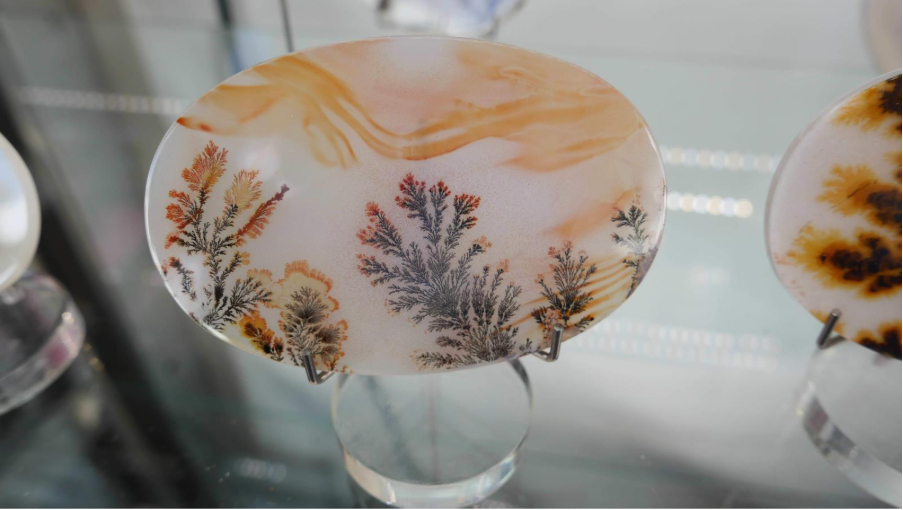
Tarun Adlakha, a specialist in dendritic agates, rare gems, and antiquities shares his views on the Pueblo gem show, “Out of my 25 years in Tucson, I have been exhibiting at the Pueblo gem show for the last seven years and I consider it the last remaining ‘old format Tucson motel’ show with a great mix of vendors and the indescribable ‘Tucson energy’… as more and more action shifts to buildings on Oracle Street that all look and feel the same, Pueblo still retains the diversity and vibrancy of Tucson.”
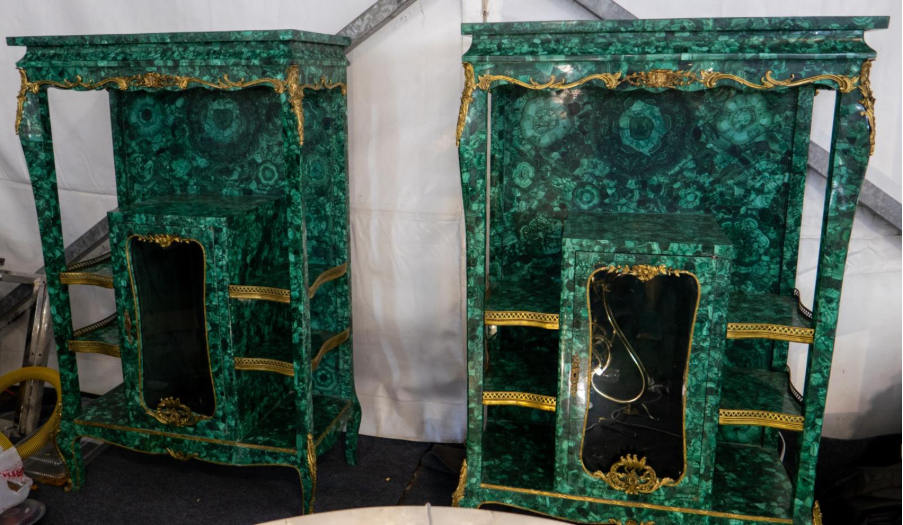
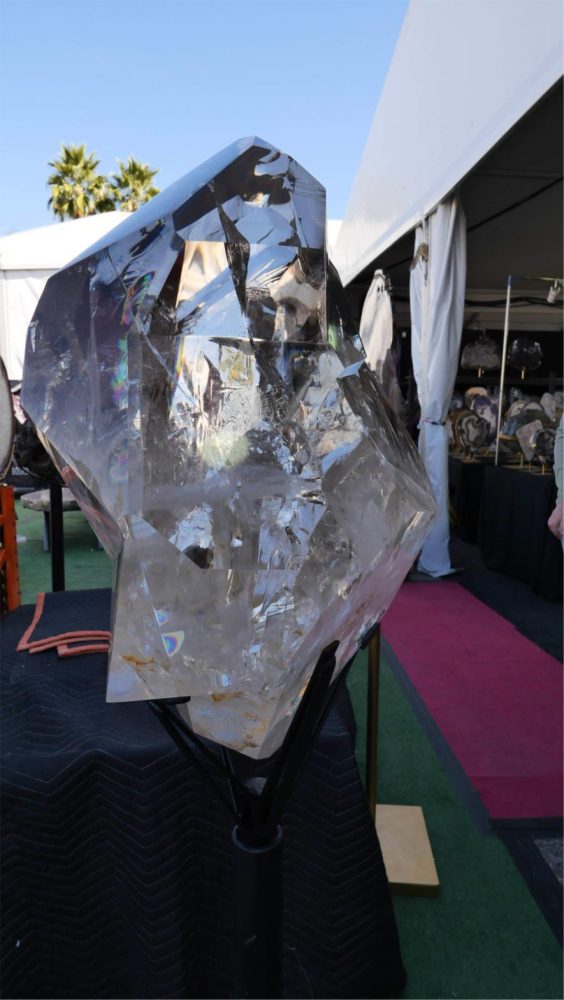
Other notable shows that have become popular over the years are the 22nd Street show and the JOGS gem and mineral show, containing an eclectic of gemstones and gem-adjacent collections for sale.
One highlight of the Tucson experience for me was visiting the Granada Gallery and The Granada Mineral Showcase. Both contain one of the most exquisite collections of mineral specimens and rare gemstones from around the world. My first appointment was with Brice Gobin from Mineral Art, who gave me a wonderful tour of The Granada Mineral Showcase featuring incredible mineral specimens sourced from around the world.
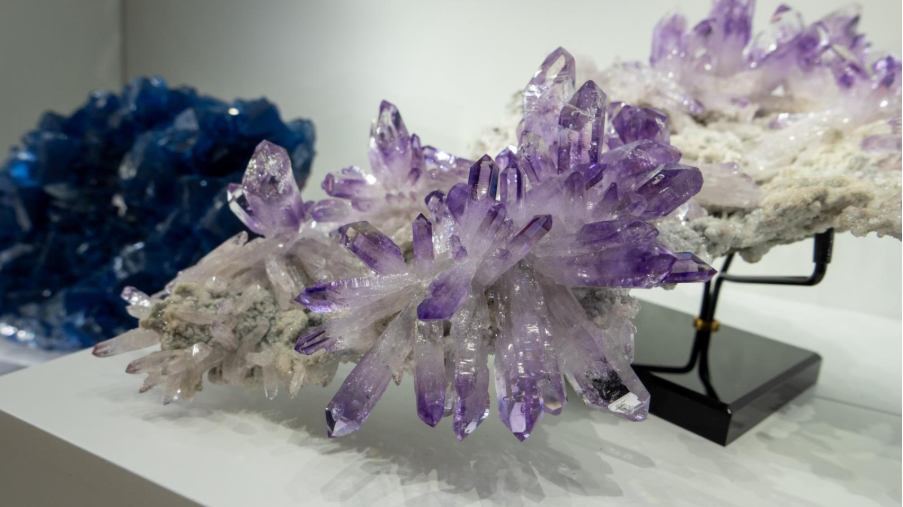
The world of mineral art collectors is separate from that of gem collectors. One may argue that gemstone collectors graduate to collecting mineral specimens as they learn more about the geological events that result in the formation of gem deposits. Mineral specimens can range from a few hundred to a few hundred thousand US dollars depending on the rarity and beauty of the piece.
Next stop, the neighbouring Granada Gallery to see the gemstone collection of Jochen Leen. Some of the exceptional gems I saw included three unheated Paraiba tourmalines from Mozambique and an exceptional, loupe-clean, flawless spinel from Tajikistan weighing over 110 carats.
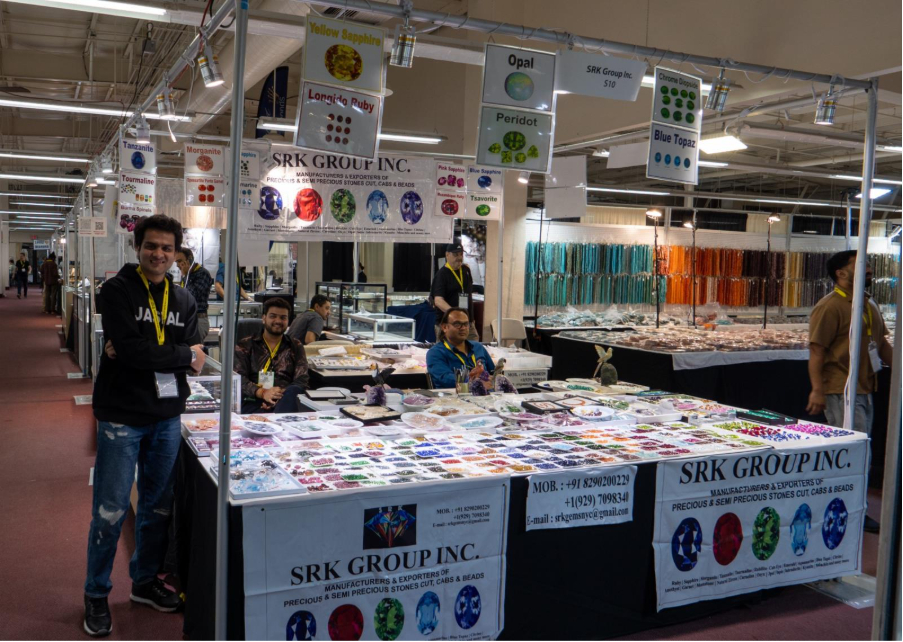
My last stop was at the JOGS gem and mineral show, which was a fifteen-minute taxi ride away from the Pueblo show. It was a kooky mix of beads, baskets, gemstones, rocks, pebbles, and pop culture art.
Kanish Sogani, Managing Director of SRK GEMS, a frequent exhibitor at the JOGS gem show, shares his views: “We’ve been taking part in the JOGS show for several years now, and it has become a very important part of our global journey. What we love most about JOGS is the diversity of buyers — from large-scale wholesalers to boutique jewellery designers — all looking for exclusive, high-quality gemstone deals. In 2026, the show exceeded our expectations. The footfall was strong; we closed solid retail sales across multiple categories of gemstones. Overall, it was a very productive show for us.”
Tariff Impact
Exhibitors across shows reported positive results, especially at the AGTA, Pueblo and JOGS shows. To counter the challenges posed by high import tariffs from Brazil, exhibitors have been keeping their merchandise in bonded warehouses in the United States of America.
An overview of AGTA’s ongoing endeavours to ease the impact of tariffs on the industry and its members was provided by AGTA President Bruce Bridges and CEO John W. Ford, Sr. during a session at the AGTA Speaker Series. AGTA lobbied influential US policymakers last year, leading to the inclusion of loose coloured gemstones in Annex III.
In 2026 their efforts will be directed towards including loose gems in Annex II (from Annex III), which eliminates the dependency on the conclusion of bilateral trade agreements for zero-tariff import.
According to Bridges and Ford, implementing a trade agreement can take between one to three years. It involves first reaching an accord on the overarching framework, followed by discussions on the precise terms of the formal trade agreement, and finally, the activation of Annex III exceptions once the agreement is signed. They recommended members reach out to their logistics partners to determine the expected tariff costs for importing gem shipments into the US. They also warned members against making business decisions based on news articles.
On the heels of the AGTA show, India reported the conclusion of a trade agreement with the US, which will allow the import of natural diamonds and gems at zero percent tariff. The question remains about the agreement’s effective date. However, it all depends on the pace of the negotiations related to the finalisation and signature of the agreements. During this tumultuous period, a silent recalibration is occurring globally between source countries and clients worldwide.
For example, European and Asian clients who in the past sourced Colombian emeralds from US-based wholesalers are now bypassing the United States to source from merchants in Bogota, Colombia. The same shifts are reported by other source countries such as Brazil, as rough and polished gemstone auctions and sales events are held in Dubai and Bangkok.
Will these new trading lines revert to US-centric sales pipelines once zero tariffs are restored? Time will tell; for now, American and international gem merchants march on towards the next show, armed with positive energy and belief in the captivating power of coloured gemstones.