
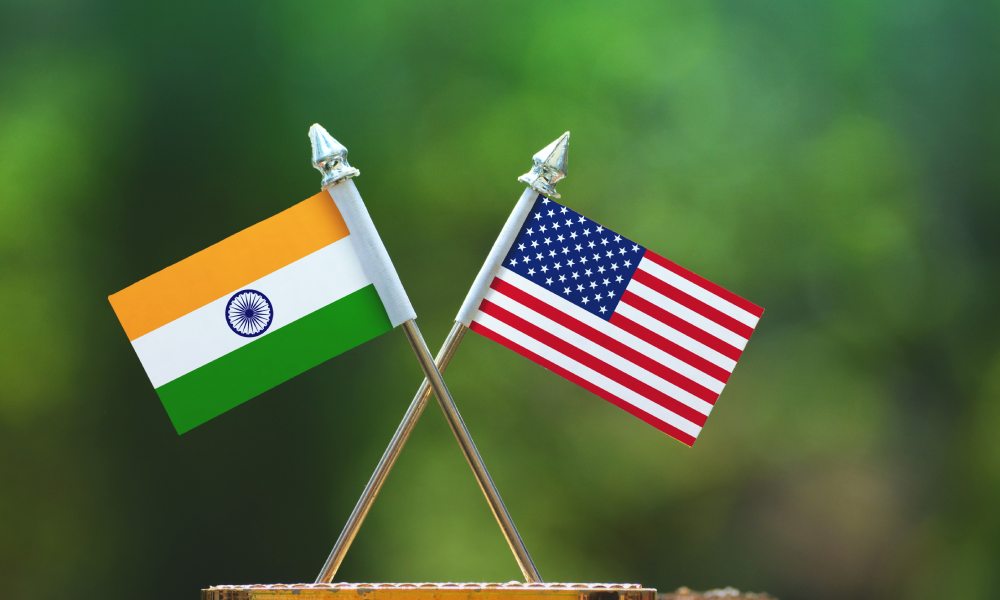
The Indian gem and jewellery industry has received a monumental boost following the landmark announcement of a framework for an Interim Agreement between India and the US. Solitaire International spoke to key industry leaders whose feedback has been overwhelmingly positive, hailing the move as a “decisive turning point” and a “momentous” occasion for the sector.
A sharp policy turn in India–US trade has injected fresh confidence and hope into a sector that has spent the past year absorbing tariff shocks. This strategic pivot, marked by the announcement of zero-duty access for diamonds and coloured gemstones, is being hailed as a decisive turning point after months of sustained headwinds.
The announcement of a framework for an interim trade agreement between India and the United States has put the Indian gem and jewellery sector back on the front foot, with zero-duty access for diamonds and coloured gemstones and jewellery tariffs reduced to 18%. After a year marked by shrinking orders and squeezed margins, exporters now see a direct path to price competitiveness in their largest market.
At the centre of the industry response is Gem & Jewellery Export Promotion Council (GJEPC), which had been lobbying for tariff relief across categories for more than a year, building a steady, step-by-step case that diamonds, coloured gemstones and laboratory-grown stones should be treated as essential raw materials rather than finished goods.
India became the first country to formally propose the inclusion of these categories under the US exemption framework. GJEPC then worked closely with the Ministry of Commerce & Industry to embed the sector’s concerns into official India-US trade discussions.
On 16 March 2025, the proposal was taken global at the International Diamond Manufacturers Association (IDMA) Presidents’ Meeting in New York, where inclusion of cut and polished diamonds was formally tabled. By 1 May 2025 in London, the strategy accelerated through coordinated outreach and calls for global backing, culminating in a unified industry voice led by the World Diamond Council.
From there, momentum built quickly. On 5 September 2025, the US announced Annexure benefits for aligned partner nations covering diamonds and coloured gemstones, and on 7 February 2026, the India-US Interim Agreement framework outlined zero-duty access for these categories. The effort moved from representation to alignment, and finally to policy, laying the groundwork for the zero-duty outcome now reflected in the framework.
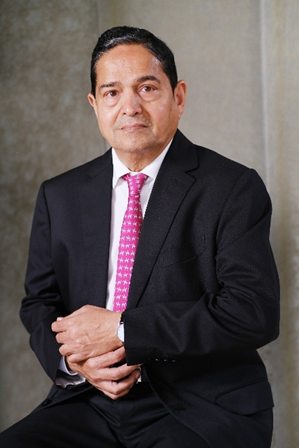
Kirit Bhansali, Chairman, GJEPC, said: “The Indian gem & jewellery industry is elated by the announcement of zero-duty access for diamonds and coloured gemstones to the US under the Interim Agreement framework — a decisive turning point that breathes new life into the sector.
“The diamond sector had taken a severe hit over the past year, with India’s cut and polished diamond exports to the US — our largest market — declining by over 60%, from USD 3.64 billion in April–December 2024 to USD 1.45 billion in April–December 2025, as tariffs eroded competitiveness.
“Under the announced framework, duties have been reduced to 18% on jewellery, which itself provides meaningful relief to exporters. We are confident that, upon conclusion of the Interim Agreement, diamonds and coloured gemstones will receive full zero-duty treatment as envisaged, restoring competitiveness in our most critical market.
“These efforts were actively taken up by the Government of India with the United States. We applaud and sincerely commend the Hon’ble Prime Minister, Shri Narendra Modi, US President Mr. Donald Trump & Hon’ble Commerce & Industries Minister Shri Piyush Goyal and the entire government machinery for the remarkable speed and efficiency in reaching this framework within days of the announcement of the deal, a testament to visionary leadership and an unwavering commitment to strengthening India-US trade ties.
The Council has also taken up with the Government of India the need to pursue inclusion of laboratory-grown diamonds and synthetic gemstones under the Annexure III exemption list of US tariffs.”
For many exporters, the math is immediate. Zero duty on loose natural stones sharply improves viability, especially in higher-value segments.
Here’s how industry voices are reading the shift:

Ashish Borda, Convener – Promotion, Marketing & Business Development Sub-committee, GJEPC, commented: “The interim zero-duty announcement is a positive signal for the industry, with expectations of swift implementation that will lead to a strong rebound in exports.
“The earlier duty regime had been particularly challenging for SMEs, which lacked the ability to absorb steep costs. The move by the Trump administration comes as a timely confidence booster for the sector.”
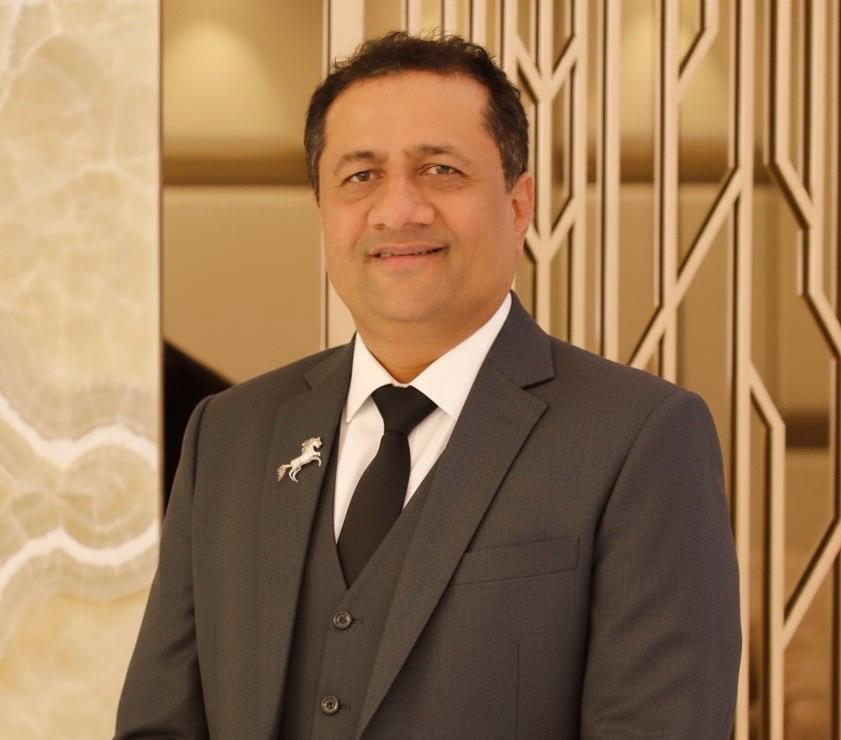 Dinesh Lakhani – Group Director, Kiran Gems Pvt. Ltd., said, “The Interim Trade Agreement between India and the United States leading to removal of tariffs is a timely and positive step for the Indian gems and jewellery industry. For a sector that thrives on trust, long-term relationships, and global collaboration, this development restores both competitiveness and confidence – especially in the natural diamond segment, where India plays an unmatched role in value addition and scale.
“The United States has always been one of the most important markets for Indian diamonds and jewellery. The earlier tariff challenges had disrupted demand, pricing structures, and supply chains, creating pressure across the ecosystem- from large manufacturers to small artisans. The tariff relief provides immediate breathing space, allowing Indian exporters to re-engage with US partners on more equitable terms and rebuild momentum that was temporarily lost.
“For natural diamonds, this is particularly significant. India is not just a supplier; it is the global centre for precision cutting, ethical sourcing practices, and consistency of supply. Lower trade barriers reinforce India’s position as a trusted partner in the global diamond value chain and help sustain millions of livelihoods linked to this industry.
“I would like to express my sincere gratitude to the Government of India for its proactive and pragmatic approach in trade negotiations. The ability to balance national interests with the realities of global trade reflects strong leadership and a deep understanding of export-driven industries. I also commend the Gem & Jewellery Export Promotion Council (GJEPC) for its persistent representation of industry concerns and constructive engagement with policymakers.”
New Perspectives – Additional Opportunities Beckon
“Apart from the above listed positive developments, we also need to realise that there are additional opportunities over and above the existing business in our gems & Jewellery manufacturing sector.
“The next frontier is strategic: India now hosts world-class management, design, analytics, and retail-operations talent, evidenced by global financial and modern retail firms running GCCs from India. With tariff rationalisation across developed markets (EU, UK apart from USA), the global premium and luxury retail industry can increasingly view India not just as a product supplier, but as an end-to-end global hub—integrating manufacturing, design, brand management, and technology services.
“As we look ahead, I am optimistic that this progress will lead to a comprehensive agreement and many other positive outcomes that supports sustainable growth, strengthens bilateral trade, and allows the Indian gems and jewellery industry – especially natural diamonds – to shine even brighter on the global stage.”
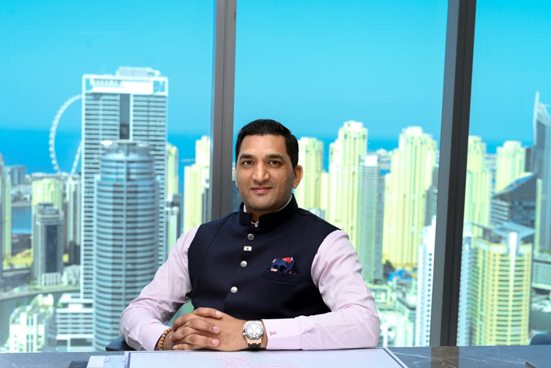
Shreyans Dholakia, Entrepreneur-Brand Custodian, Shree Ramkrishna Exports (SRK), said: “The India-US Interim Trade Agreement is an important step towards a stable, reciprocal, and future-oriented trade partnership. For the gems and jewellery sector, where the United States remains our largest export market, this agreement opens new avenues for trade, investment and value creation.
“Such outcomes highlight the importance of sustained industry–government engagement, including the constructive role played by institutions such as GJEPC and FICCI in representing sectoral perspectives. This framework strengthens supply-chain resilience and a shared commitment to balanced, long-term economic cooperation.”
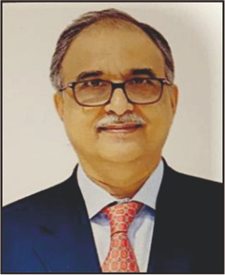
Adil Kotwal, President, SEEPZ Gems & Jewellery Manufacturers’ Association (SGJMA), added: “The agreement is very positive for the natural diamond trade. Bringing tariffs on loose natural diamonds down to 0% is a big relief, especially for larger stones like 1 or 2 carats, where an 18% duty would have made jewellery significantly more expensive. This should give a strong boost to manufacturers focused on bigger, high-value stones.
“Lab-grown diamonds, however, remain at 18% despite growing US consumer preference for LGDs.
“On jewellery, moving from the earlier 50% tariff to 18% at least creates a level playing field with competing Asian markets such as Vietnam, Hong Kong, China and Bangkok.
“India also has an edge because we finance the business, often extending credit from 2-6 months, while many competitors operate on upfront payments. Combined with our design and manufacturing strength, we remain competitive and, in fact, better positioned under these conditions.”
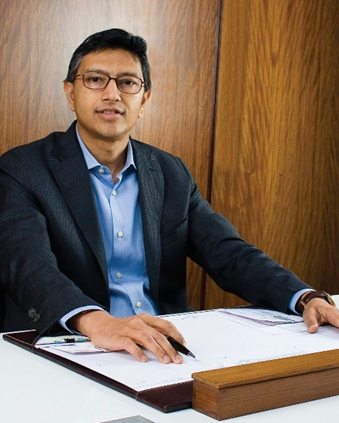
Ajesh Mehta, Co-opted Member, Diamond Panel, GJEPC, said: “The India-US trade agreement is a major step forward, particularly with tariffs on natural diamonds reduced to 0%. The industry had been awaiting this for a long time. It creates clear gains for India’s diamond cutting & polishing sector as well as the US jewellery manufacturing trade.
“Given that the US is our largest market, the impact will be significant. However, jewellery tariffs remaining at 18% is a concern, as setting small diamonds in the US may not be economically viable, though larger stones should remain unaffected.
“The exclusion of lab-grown diamonds appears protectionist. Since most LGDs are cut and polished in India, a 0% duty would have supported both industries.”
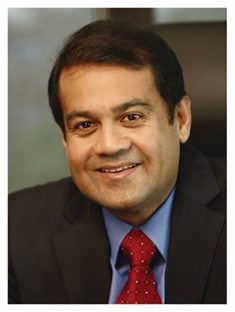
Colin Shah, MD, Kama Jewelry, said: “The announcement of zero tariff on gems & diamonds is a momentous one and well rejoiced by the Indian gems & jewellery sector. India being the global hub for diamond processing was impacted severely due to the trade tariffs, where trade had dropped over 60% when it comes to cut & polished diamonds. The waiver of tariff will help revive exports and reinstate the sparkle in business.
“We are thankful to the Indian Government and Ministry Of Commerce for the negotiation, as this will not just give a fillip to the sector but also go a long way in adding substantial value to the goal of Aatmanirbhar Bharat.”
Taken together, the collective message is grounded rather than euphoric. Stones regain zero duty. Jewellery sees partial relief at 18%. Lab-grown remains unresolved. Still, the core input-cost barrier has dropped, and that single shift changes the physics of trade. When pricing realigns, orders tend to follow.