
With a legacy spanning decades in the global sterling silver jewellery ecosystem, ACPL Exports has powered some of the world’s most recognised retail brands through its export-led B2B model. At the helm of its next phase of growth is Sidharth Gupta, Director, ACPL Exports, who is steering the company into a bold new chapter with the launch of its first direct-to-consumer brand, TrueSilver.
This strategic shift marks ACPL’s transition from being a behind-the-scenes global manufacturer to building a strong, consumer-driven presence in India’s fast-evolving silver jewellery market. Leveraging its export-grade craftsmanship, large-scale manufacturing capabilities, and stringent quality certifications, the company is now bringing the same global standards directly to Indian buyers through a digital-first retail approach.
In this conversation with Solitaire International, Gupta reflects on ACPL’s journey and evolution in the international silver jewellery landscape, the business rationale behind entering the D2C space, key trends shaping domestic demand, and how the company’s export legacy is being translated into a differentiated retail proposition. He also outlines the long-term vision for TrueSilver as a significant growth driver within ACPL Exports’ broader strategy.
ACPL has built a solid reputation as a global manufacturing powerhouse. What consumer insights convinced you to enter the Indian D2C silver jewellery space with TrueSilver?
ACPL has been manufacturing sterling silver jewellery for over five decades and exporting globally for nearly 40 years, with strong exposure to markets such as the United States. Through this journey, we developed a deep understanding of silver jewellery trends and quality benchmarks worldwide.
In India, however, the silver jewellery market has largely remained unorganised and cottage industry driven. With rising brand awareness, aspirational buying behaviour and changing consumer preferences, we felt the category was ready to redefine itself.
We are seeing millennials and younger audiences increasingly gravitate towards silver as a preferred, contemporary option to accessorise for different occasions. These shifts collectively convinced us that it was the right time to build a consumer-facing brand in India.
You are deeply aligned with technology and digital systems. How are you leveraging AI, data analytics, or consumer behaviour tracking to shape product design, pricing, and inventory planning for TrueSilver?
At this stage, our digital focus is centered on building awareness and reaching digitally savvy consumers efficiently. We began as a pure play D2C brand because our target audience is highly active online, and digital allows better cost efficiencies in customer acquisition.
Operationally, our strength lies in being a vertically integrated manufacturing company. This gives us tighter control over production, inventory, and pricing compared to brands that source externally. Additionally, having supplied to a large number of retailers across India in our B2B business, we have strong market mapping and category insights, which help us plan inventory with precision.
With nearly 900 SKUs at launch, will the brand employ digital tools to manage assortment planning and ensure trend responsiveness, especially for today’s consumers?
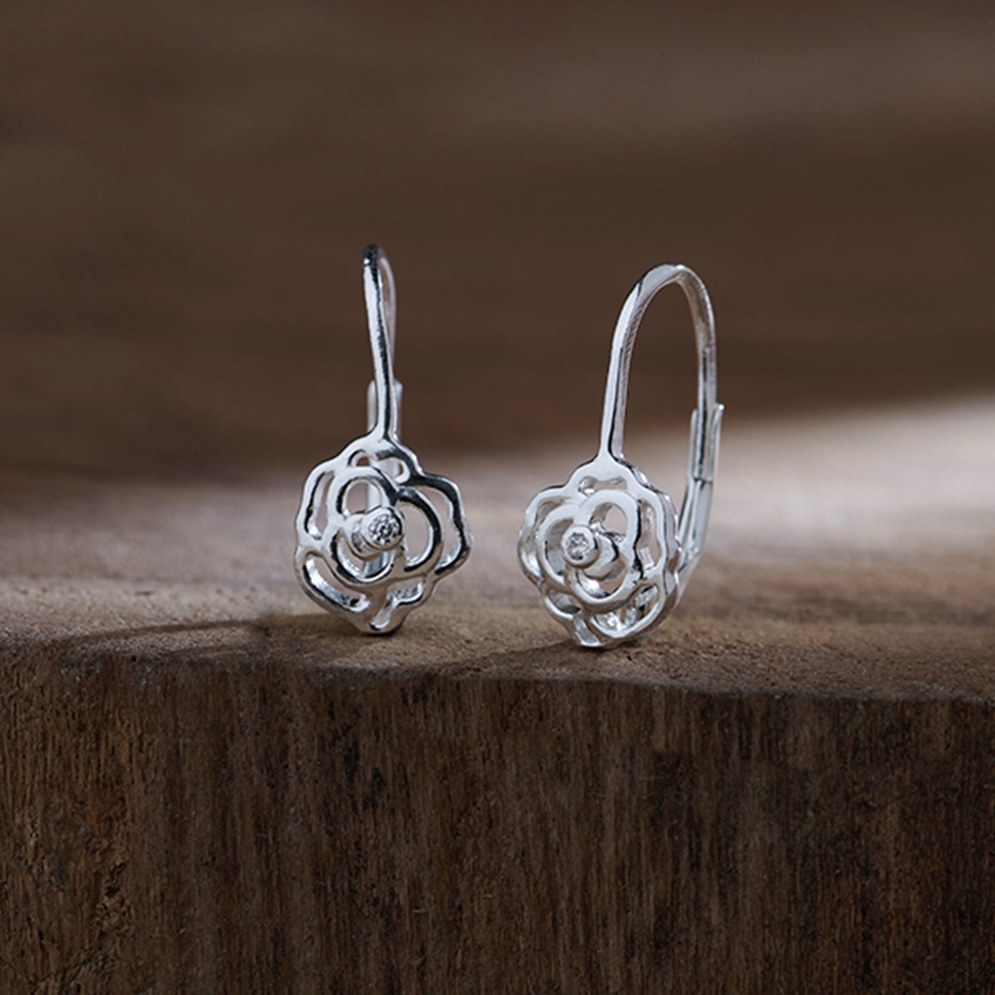
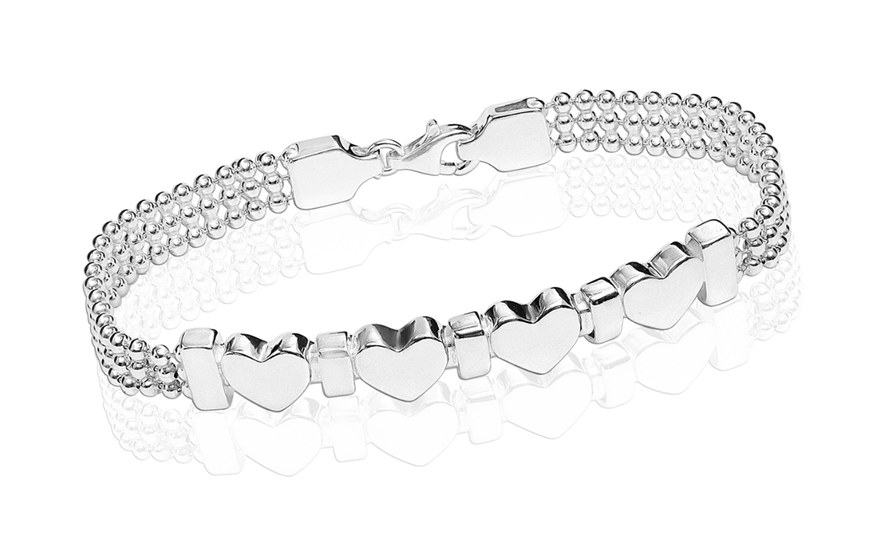
We have launched approximately 700 to 800 SKUs across categories including earrings, rings, bracelets, necklaces, anklets and toe rings. Our approach is guided by long-standing category expertise and consumer understanding built over decades.
Being vertically integrated allows us flexibility in manufacturing and faster response to demand trends. Since we control production, we can manage assortment depth and replenishment efficiently as we scale across digital and offline channels.
Tell us more about customising jewellery. Will it be a challenge to cater to such demand?
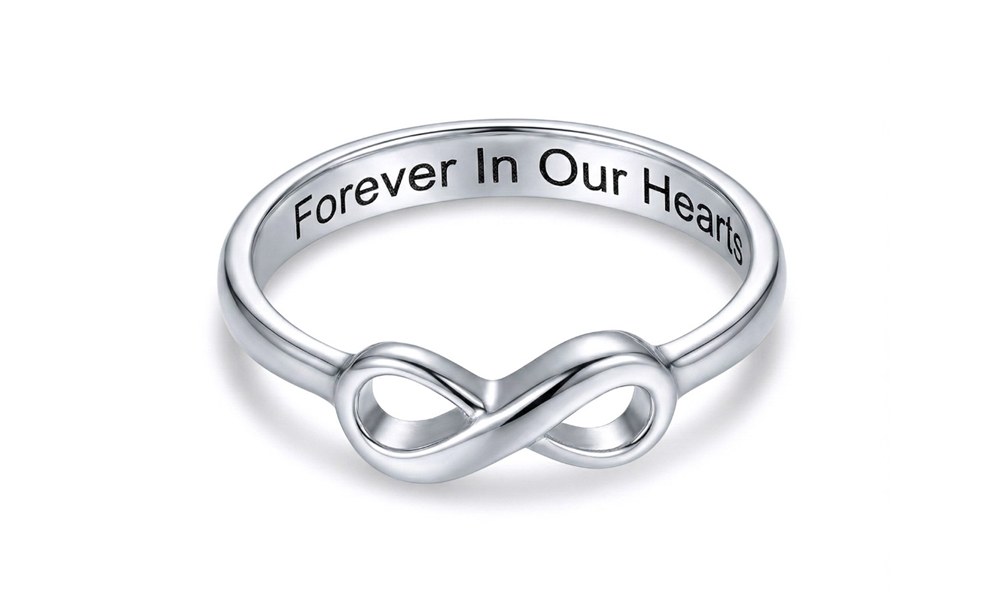
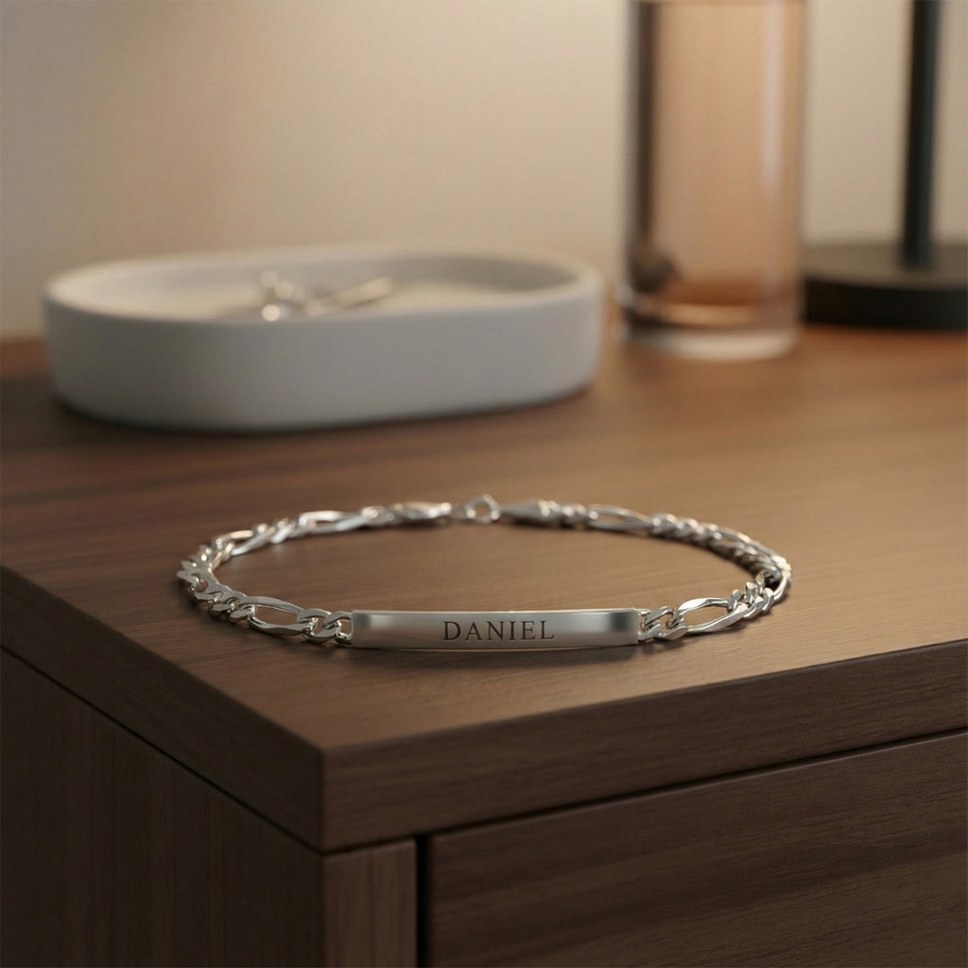
Personalisation is a huge trend in the US and Europe, and we have the largest range of personalized jewellery ranging from rings, bracelets, etc. We have about 100+ styles available on the website. Given our own strengths in manufacturing, the turnaround time for creating these pieces is faster. Styles that include initials, birthstone preferences, photographs, thumb prints, etc., are most sought after for gifting or personal purchases.
You’ve set a revenue target of ₹100 crore, scaling to ₹250 crore with 100 retail stores. How will the brand balance the evolution between your own D2C platform, marketplaces, and offline retail channels?
We have adopted a phased approach. Currently, we are digital-first, operating through our own website and key marketplaces such as Amazon and Myntra, with plans to expand across other leading platforms.
In the second phase, we plan to launch company-owned stores in metros including Delhi, Mumbai and Bengaluru.
Will TrueSilver be sold only in India or would you expand to foreign markets as well since your parent company has a strong export network across the globe?
International expansion is part of our roadmap. ACPL already works with retailers globally and has deep market understanding in the US, Europe and other regions.
For TrueSilver, we intend to begin with a digital rollout in the US, UK, and UAE markets, leveraging online channels and fulfilment partnerships. Physical retail in select international markets is under evaluation and will be considered at a later stage.
Looking ahead, do you see TrueSilver evolving into a tech-enabled omnichannel brand — perhaps integrating virtual try-ons, AR-led shopping, or blockchain-backed purity verification?
Our immediate focus is on building strong digital awareness through D2C, marketplaces and physical retail. As we scale, we remain open to integrating advanced digital tools that enhance customer confidence and experience.
Quality assurance remains central to our positioning, and as a long-standing sterling silver manufacturer adhering to global standards, we are fully compliant with BIS hallmarking norms.
Silver in India has often been perceived as either occasion-led or price-driven. How are you proposing to reposition silver as an everyday lifestyle choice for younger consumers?
We are positioning sterling silver as modern, lightweight, and wearable for everyday use. Globally, sterling silver is widely accepted as a fashion-forward yet precious category. In India, it has traditionally been either occasion focused or unbranded.
With gold becoming significantly more expensive, consumers are looking for accessible alternatives that still offer intrinsic value. We see younger audiences adopting silver as part of everyday styling rather than waiting for special occasions. TrueSilver aims to formalise and premiumise the category through assured purity and contemporary designs.
With decades of manufacturing legacy behind ACPL, what internal cultural or operational shifts were necessary to transition from a pure B2B exporter to building a consumer-facing brand?
As a B2B exporter, our focus was largely on global standards manufacturing and retailer partnerships. Moving into a D2C model required us to build marketing, digital outreach and direct consumer engagement capabilities.
However, our strong foundation in manufacturing, category insights and retail mapping has enabled a smoother transition. Being vertically integrated allows us to control the full value chain — from product designs to production and customer delivery — which is a significant structural advantage in building a consumer brand. We are also focused on customer insights, leveraging them to our designs and brand building.
Marketplace platforms such as Amazon India and Myntra are highly competitive. What will differentiate TrueSilver in such crowded digital environments?
Our differentiation lies in assured sterling silver purity, manufacturing credibility and breadth of assortment. We offer over 900 SKUs across categories with accessible entry pricing starting at ₹1,000.
As one of the largest exporters in this category, our legacy and quality standards provide trust, while our vertically integrated structure supports competitive pricing and healthier margins compared to pure trading brands.
How do you plan to navigate silver price volatility while maintaining accessible pricing and healthy margins in the domestic market?
Silver prices, like all precious metals, are subject to volatility. However, our vertically integrated model offers greater control over cost structures. Since we manufacture in-house rather than sourcing finished goods, we have operational flexibility.
While short-term fluctuations can create instability, we are also seeing increased consumer interest in silver. Our focus remains on offering value-driven price points while managing margins through operational efficiencies.
Over time, ACPL expects its branded portfolio to contribute 30–40% of overall revenue. How will you ensure that the D2C business strengthens your established global B2B partnerships?
Our B2B export business and our D2C brand operate with distinct market strategies. The experience and global standards developed through decades of export partnerships form the backbone of TrueSilver’s credibility.
Rather than competing, the two segments complement each other. Our global exposure strengthens product understanding and quality benchmarks, while the branded play enables us to participate directly in evolving consumer trends in India.