
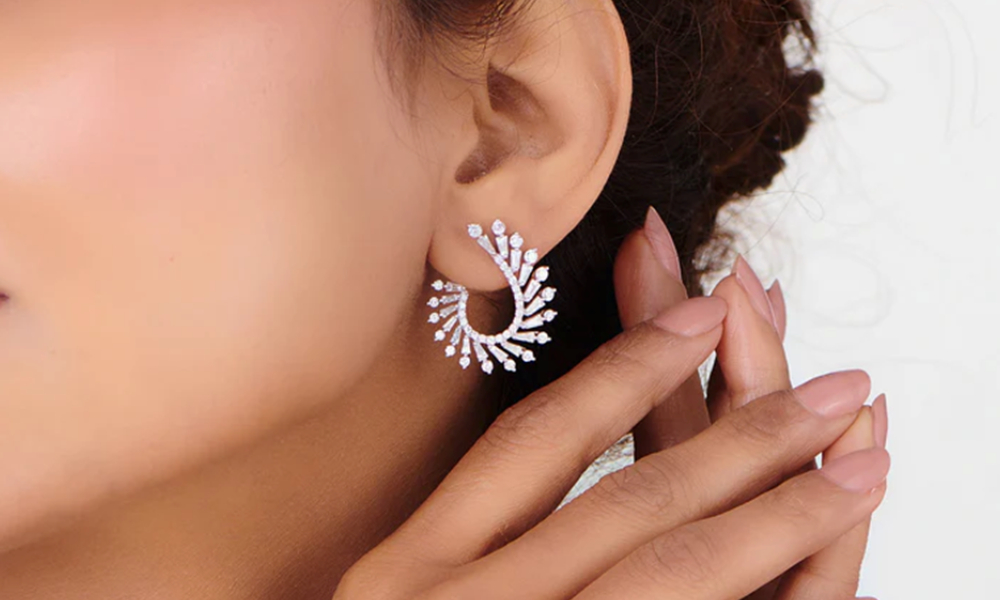
Our guest writer, Neil Sonawala, Managing Director of the Indian chapter of Zen Diamond, a Turkish brand with over 450 stores worldwide, examines why natural diamonds continue to command enduring desirability—even amid economic headwinds. He talks about how shifting consumer mindsets; evolving design aesthetics; and the inherent rarity of mined diamonds are underlining their relevance as both emotional and value assets.

‘What is scarce is precious’, this adage is turning out to be true of natural diamonds. After being pushed into the corner by the demand for the mass-produced laboratory-grown diamonds (LGDs) for a decade, it is experiencing a renaissance. This has less to do with trends being cyclical and more about the fact that mined diamonds have showcased a remarkable ability to adapt and endure, especially in an era defined by economic uncertainty and rapidly shifting consumer priorities. Despite recent market pressures, natural diamonds held over 71% share of the global market share in 2025.
The rush for natural diamonds is not rooted in nostalgia, but in their evolving relevance to contemporary lifestyles and values. As consumers navigate volatile markets and redefine what luxury means to them, these gems have emerged as timeless treasures that bridge the gap between aspiration and everyday indulgence.
This mindset change can be traced to the diamond market, which is witnessing a fundamental transformation in how and why consumers purchase these precious stones. Traditional milestones like engagements, anniversaries and landmark birthdays, while still significant, no longer singularly define diamond buying. Instead, they now serve as instruments of self-expression and markers of personal achievement. Expressing oneself goes beyond chunks of jewellery, it includes everyday diamond-studded luxury accessories that reflect broader changes in consumer psychology.
A diamond necklace worn daily to the office becomes a reminder of career progress. Stud earrings commemorate a hard-won promotion. A delicate diamond bracelet celebrates self-love rather than waiting for external validation.
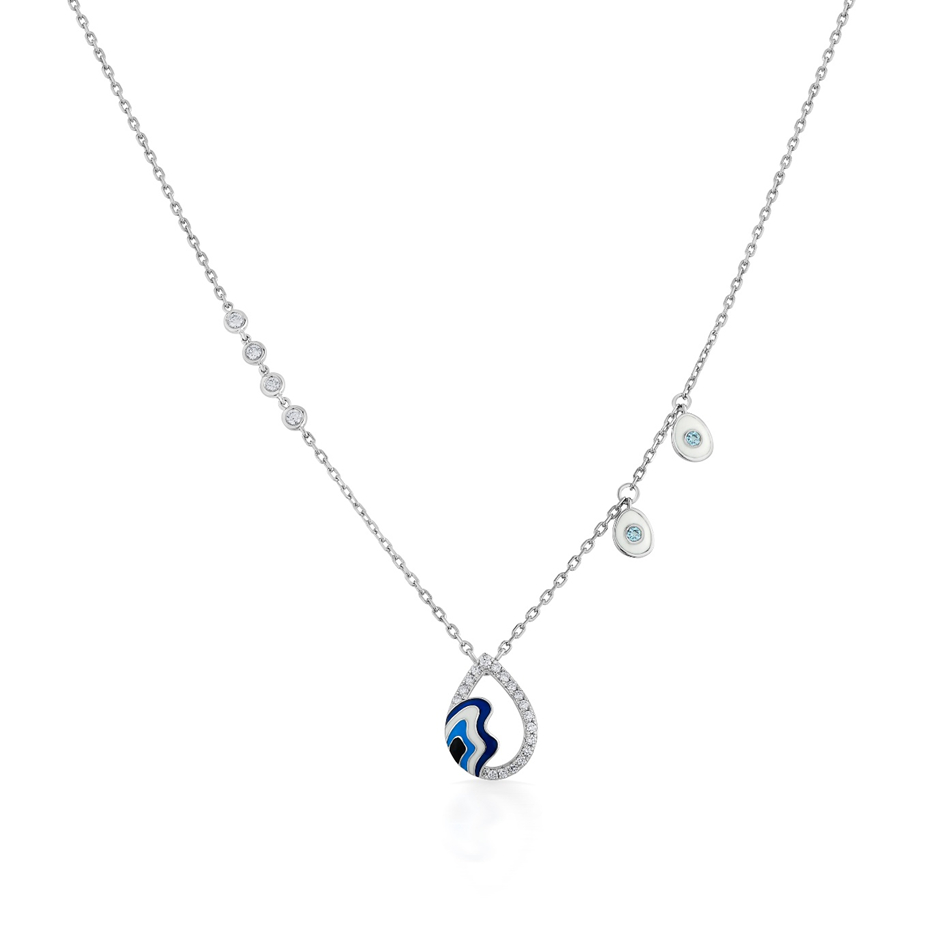
Largely emotion-led, this reinterpretation of diamonds has breathed new life into the category. Consumers no longer reserve their finest pieces for rare moments, they integrate diamonds into their daily wardrobes, treating them as wearable confidence boosters and visible symbols of their own journeys of who they are and what they have achieved.
Economic volatility also has a curious effect on consumer behaviour. While spending often contracts during uncertain periods, investment in tangible assets with enduring value tends to rise. Natural diamonds occupy a unique position in this landscape as they are simultaneously emotional purchases having long-term value.
Unlike many consumer goods, including LGDs that depreciate the moment they leave the store, quality natural diamonds retain intrinsic worth. Their rarity is a geological fact, where each stone represents millions of years of the Earth’s processes, creating a scarcity that no technological or scaled manufacturing can replicate. With limited supply projected to lift prices up to 15%, this inherent rarity adds to natural diamond’s value, making them assets that can be worn, enjoyed and eventually passed down or liquidated, depending on the circumstances.
In volatile economic climates, this dual nature becomes particularly compelling. A natural diamond offers psychological comfort and aesthetic pleasure while remaining a portable, durable store of value. It is, quite literally, an investment you can wear. One that does not sit idle in a locker but lives alongside its owner, building emotional and symbolic value over time.
The evolution of diamond jewellery design has played a significant role in reinforcing the relevance of natural diamonds. Contemporary designers have liberated diamonds from the formal rigidity of past generations, reimagining them for modern lifestyles without compromising elegance. Refined craftsmanship now prioritises versatility and ease of wear. Delicate pavé detailing delivers brilliance without excess. Architectural settings allow diamonds to interact with light in unexpected ways. Layer-friendly silhouettes invite personal styling and everyday experimentation. The result is jewellery that moves effortlessly across contexts, from workdays to weekends and from minimalism to fusion.
Today’s consumers want luxury that adapts, not dictates. Natural diamonds, reinterpreted through contemporary design, meet this expectation with ease. It’s open to nuances and thoughtful detailing that come from craftsmanship, appealing to discerning consumers who value distinction.
However, clear documentation, reputable grading and responsible sourcing practices reassure consumers that their purchase aligns with both their values and their expectations of quality.
Equally important is storytelling. By articulating a diamond’s journey, from deep within the Earth to a finely crafted piece of jewellery, brands elevate the purchase beyond transaction.
These narratives reassert why natural diamonds continue to hold emotional and cultural weight in an era dominated by immediacy and abundance.
Trusted brands also act as educators, demystifying diamond value and guiding informed choices. This is necessary to sustain relevance and ensure new generations understand not just how to buy diamonds, but why natural diamonds endure.
The resilience of natural diamonds in today’s economy lies not in resisting change, but in evolving with intention. In uncertain times, people gravitate towards objects that offer beauty, meaning and permanence. Natural diamonds continue to deliver all three quietly, confidently and permanently.